Tortola
Tortola is the BVI's capital and largest island. It is a practical reference point when considering flights, embarkation logistics and the character of a wider BVI route.[2]

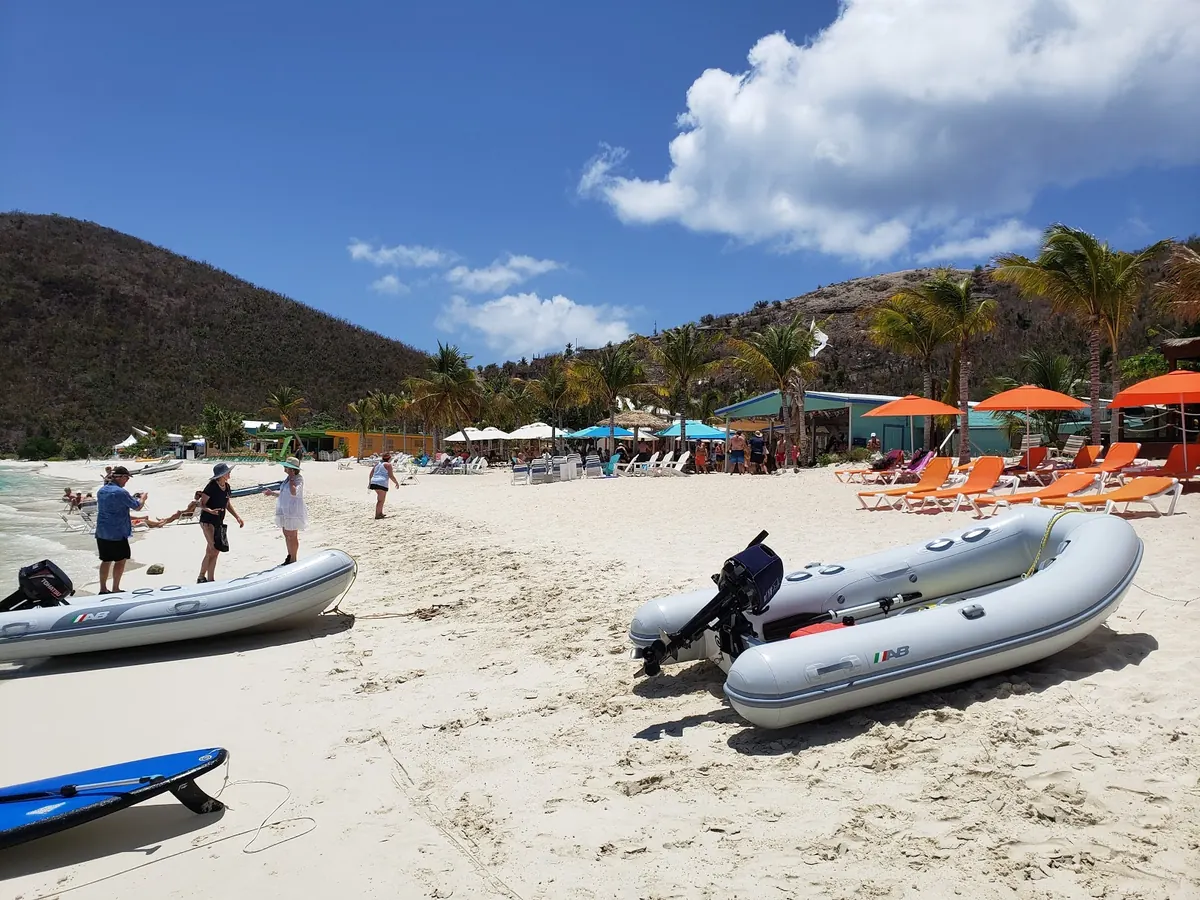
Consider the BVI when a private, crewed yacht charter and a compact Caribbean island group suit your dates, guests and preferred pace.
Photo: Mattes, CC BY 2.0 Germany. Resized and re-encoded.
Search published seasonal cruising areas and rates. The result does not verify a yacht's live physical position, live availability, dates, taxes or route suitability. Confirm those details before a charter is proposed.
3,500+ Crewed Luxury Yachts for Charter
Choose a destination. Every other filter is optional.
Searching fleet...
Searching fleet...
The British Virgin Islands comprises more than 60 islands and cays. The BVI Tourism Board also describes a landscape of national parks, reefs, lagoons and natural habitats, so a considered island plan matters as much as a wish list of beaches.[1]
This page is for travellers considering a private, crewed yacht charter. It is not a bareboat comparison or a self-sail rental guide. The yacht, captain-led route, local permissions and current conditions should be checked together before a proposed itinerary is treated as confirmed.
Tortola is the BVI's capital and largest island. It is a practical reference point when considering flights, embarkation logistics and the character of a wider BVI route.[2]
Virgin Gorda is the BVI's third-largest island. The Baths National Park combines granite boulders, beaches and rock pools, but sea access, swimming and mooring remain subject to current local conditions and rules.[3]
Jost Van Dyke provides a smaller-island contrast within the group. Treat any desired bay, tender landing or shore plan as a captain-led discussion rather than a guaranteed stop.[2]
Anegada's low coral-and-limestone topography differs from the predominantly volcanic islands around it. Its character can make it a useful planning question, not an automatic addition to every charter.[4]
BVI Tourism states that entering vessels must clear with Customs and Immigration on arrival and retain valid passports and vessel documents. The exact process, entry point and guest documentation should be checked for the current voyage.[5]
At The Baths, the National Parks Trust notes that strong winter swells can prevent use of moorings and sea access to the beach. That is why a desired stop should remain weather-led and captain-led.[3]
NOAA defines the Atlantic hurricane season as 1 June to 30 November and notes that tropical activity can occur outside those dates. Current forecasts, insurance terms and route flexibility remain specific to the voyage.[6]
Begin with dates, guests, preferred yacht style and the island experience that matters most, then check the current options against that brief.