Bahamas vs BVI vs St Barts: Which Caribbean Yacht Charter Fits You?
A practical comparison of the Bahamas, BVI and St Barts for winter 2026/27, with route pace, yacht fit, protected waters and planning questions.
The Bahamas, the British Virgin Islands and St Barts can all make an excellent Caribbean yacht charter. They do not deliver the same week. The right choice depends on the pace you want, how much time you want to spend under way, whether the group values shallow-water privacy or restaurants ashore, and how fixed the dates are.
A good decision starts with the cruising ground rather than a yacht brochure. The yacht must suit the route, but the route should also suit the group. A family who wants short passages and easy swimming days may choose differently from friends who want dinner ashore and a busy social calendar. A group focused on sandbars and quiet anchorages may choose differently again.
This guide compares the three destinations as practical crewed-charter choices for winter 2026/27. It does not name a universal winner. Conditions, yacht position, draft, local rules and the captain’s judgement will always shape the final plan.
Bahamas vs BVI vs St Barts at a glance
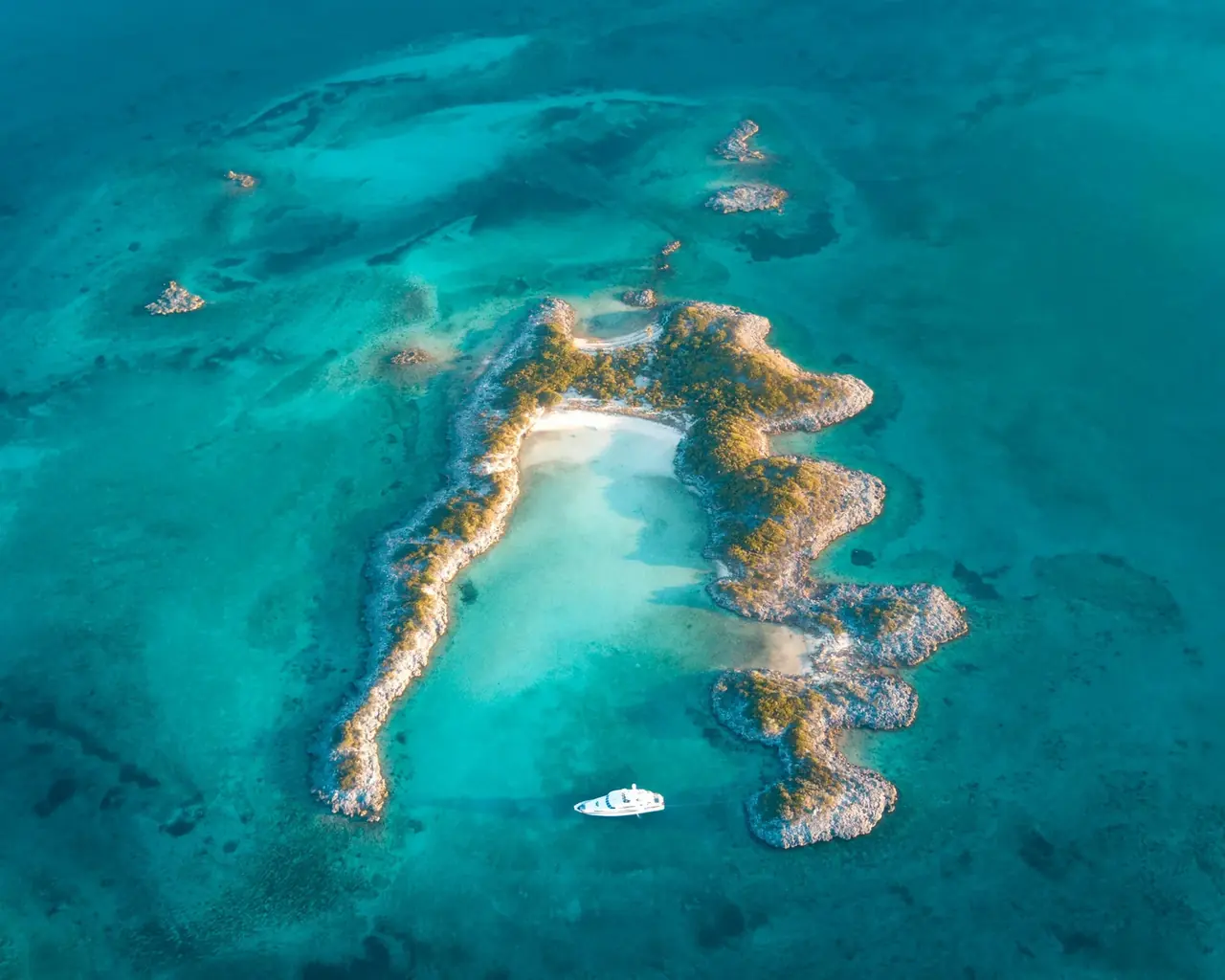
Choose the Bahamas when the group is drawn to shallow water, turquoise banks, sandbars and time away from busy towns. The Exumas can feel spacious, but that experience relies on a yacht and route that are right for water depth, distances and weather.
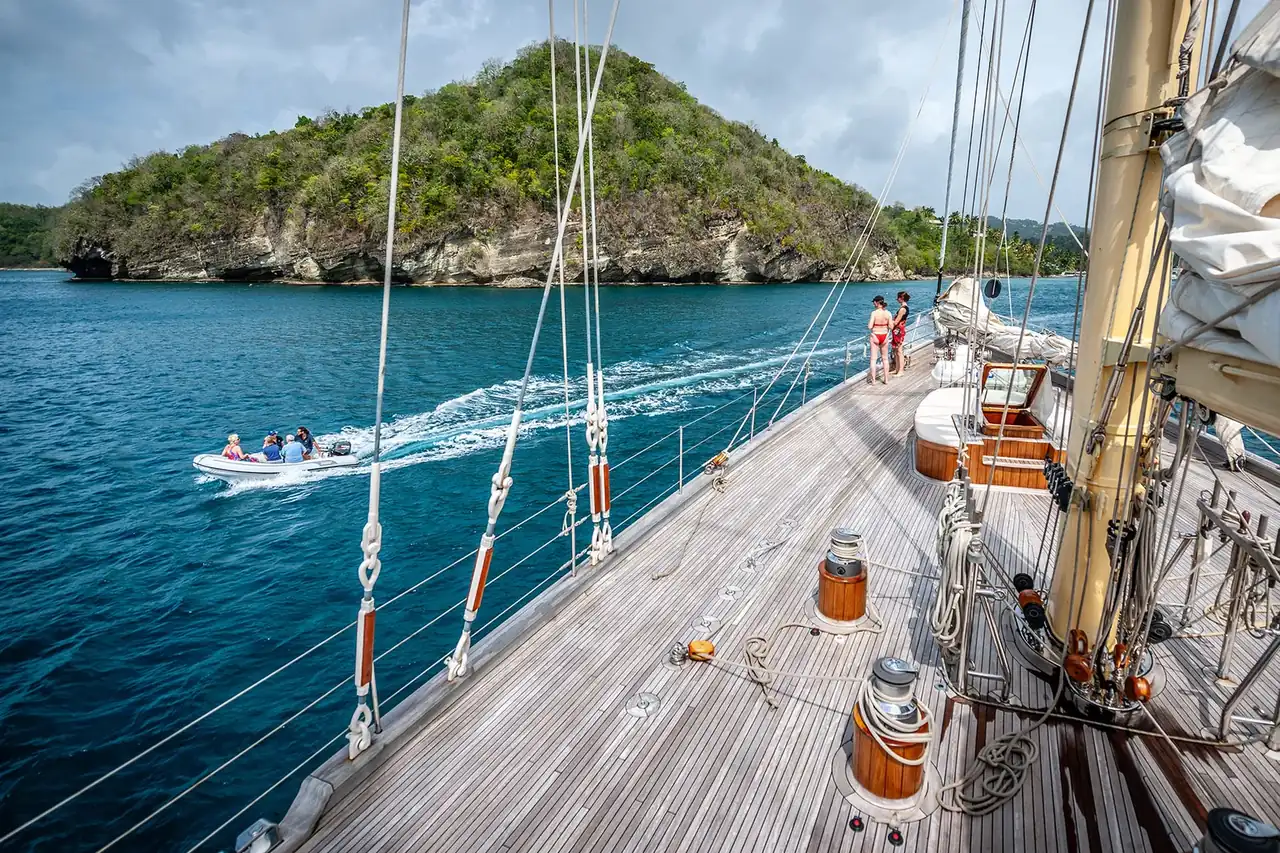
Choose the BVI when you want a classic island-hopping week with many possible stops, a strong sailing culture and plenty of variety without building the whole holiday around long passages. The islands sit in a concentrated archipelago, which can make a flexible route easier to shape, especially for first-time charter guests and mixed groups.1
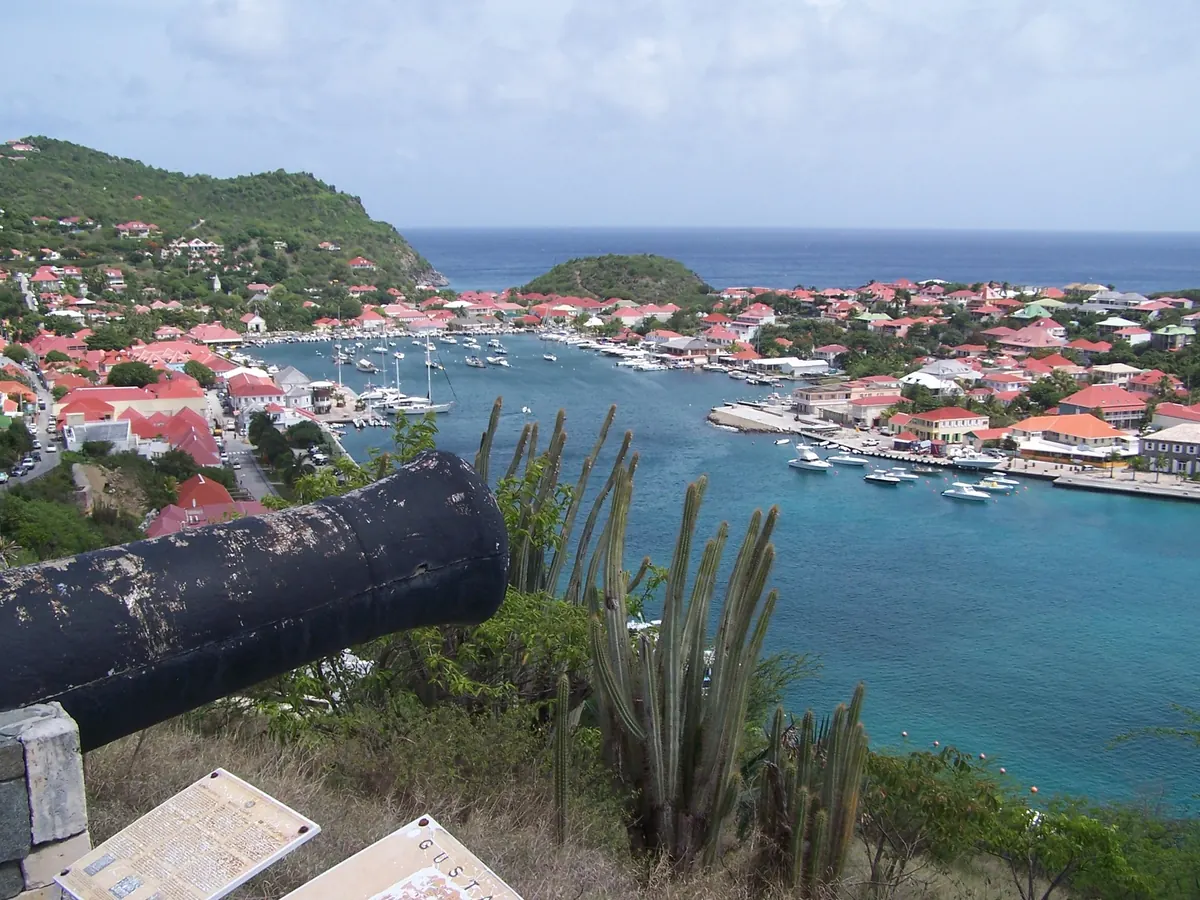
Choose St Barts when the group values beaches, polished shore time, restaurants, boutiques and a French-Caribbean atmosphere as much as the time aboard. Saint Barthélemy is a compact island of 24 square kilometres, so it is best understood as a destination-led charter base or part of a wider Leeward Islands plan, rather than a long chain of separate island crossings.2
The Bahamas: shallow water, Exuma cays and space to slow down
The Bahamas work well for guests who want to make the water the main event. The Exumas are divided into Great Exuma, Little Exuma and the Exuma Cays. The official tourism site highlights island-hopping, beaches, protected coves and places such as Compass Cay, Staniel Cay, Big Major Cay and Stocking Island.3
A Bahamas week often feels less like a sequence of restaurant reservations and more like a chance to let the boat set the pace. One day might be a sandbar and lunch aboard. Another could be a tender outing, a snorkelling stop or an unplanned extra night in a calm anchorage. Guests who are happiest in the water, or who value a more private atmosphere, often find this a strong fit.
The trade-off is that the route needs careful planning. The banks are shallow. A particular yacht’s draft, tender setup, range and local operating experience affect what is sensible. Not every yacht can access every sandbar or lie close to every beach. Ask the charter team to explain how the named yacht matches the intended route, rather than assuming a high-specification yacht automatically has the best access.
The Exuma Cays Land and Sea Park is an important part of the destination. Bahamas National Trust describes the park as a protected area of 112,640 acres, with marine and shoreline habitats that are managed for conservation.4 Its rules prohibit fishing, conching, shelling, lobstering and the removal of living or dead material inside the park. They also restrict anchoring in specified areas and require visitors to take out their rubbish.5
That is part of the value of a crewed charter. The captain manages the operational detail and gives guests a clear briefing. The group can enjoy the place without treating a protected area as a private playground. If a park day, a sandbar or a specific snorkelling area matters most, put it in the brief early. It may be possible, but it should remain subject to current rules and conditions.
Before booking flights, settle the embarkation port, transfer route and first-night plan. Bahamas Customs makes a clear distinction between private pleasure vessels and vessels used for charter, so the captain and broker should confirm the applicable commercial clearance process for the named yacht.6
Read the Bahamas and Exumas yacht charter guide for a deeper route-planning framework.
BVI: an island-hopping week with a sailing rhythm
The British Virgin Islands are a good match for groups that want a varied week without treating every day as a long passage. BVI Tourism describes an archipelago of more than 50 islands, including Tortola, Virgin Gorda, Jost Van Dyke and Anegada.1 That concentration can support a route with a new bay, beach or island atmosphere each day, subject to the conditions and the captain’s plan.
The BVI can suit a family, a first crewed charter or a group with different ideas of a perfect day. Some guests want to sail. Some want a swim before breakfast and a comfortable afternoon at anchor. Some want to take the tender ashore for lunch. The BVI can accommodate all of these ambitions if the schedule has enough room to move.
It is still important not to turn the map into a promise. Popular mooring fields, weather, swell and the group’s energy can change the order of the days. Anegada, for example, is a distinct decision rather than an automatic addition. The captain needs to assess the named yacht, daylight, weather, sea state and the return plan before committing to it.
The BVI also has protected marine areas that require respect. At the Dead Chest National Park and RMS Rhone Marine Park, the National Parks Trust says anchoring and fishing are prohibited. Vessels must use the provided mooring buoys and hold the applicable permit.7 The RMS Rhone is a well-known dive site, but whether it suits a particular day depends on guest experience, local operator arrangements and conditions.7
For guests, the useful question is not simply, “Can we do it?” It is, “What would make this enjoyable for everyone on board?” A family might prioritise shorter moves, tender access and quieter beach time. Friends might add an evening ashore. A keen diving group might let the sea conditions decide whether a protected-site visit is the right choice.
BVI entry and clearance steps should be treated as current operational checks. The yacht and crew handle their own process, but every guest should keep their travel documents and personal entry requirements in order. If a route crosses to another territory, allow for the appropriate clearance work and time. A short distance on a chart does not remove a border.
For a sensible route framework, read the seven-night BVI yacht charter itinerary.
St Barts: beach time, dining and a compact Caribbean base
St Barts is the choice for groups that want the shore experience to carry equal weight with the water time. Saint Barth Tourism highlights beaches, gastronomy, boutiques, water activities and hiking on a compact island.2 A good week can alternate between a protected-water stop, a beach afternoon, time on board and a well-planned dinner ashore.
It is not the place to expect a long list of separate island hops within the island itself. Instead, it works for guests who value a strong sense of place. Gustavia may be part of the appeal, along with the beach culture and the option to develop a wider plan through the Leeward Islands where yacht position, weather and clearance arrangements support it.
The destination requires disciplined planning during busy winter dates. Christmas, New Year and event periods can affect yacht availability, berths, restaurants and transfers. Fixed festive dates should be discussed as early as possible, especially if the group has a named yacht or a specific shore plan in mind. A booking is not confirmed simply because a yacht appears in a search result.
The marine environment also matters. Saint Barth Tourism notes that the island’s Nature Reserve covers 1,200 hectares of marine territory across several zones, including Colombier, Fourchue, Marigot, Grand Cul-de-Sac and Petit Cul-de-Sac.2 Those names can be helpful when discussing a route, but access, anchoring and water activities must be checked against the current rules and the yacht’s actual suitability.
The official tourism board describes winter as a drier, milder period from December to May, with an average temperature around 27 degrees Celsius.2 This is useful climate context, not a promise of calm water or perfect beach weather. Wind, swell and safety can change the plan. That is why the captain’s judgement remains central.
Use the Saint Barth yacht charter guide for a more detailed look at arrival, Gustavia and protected-water planning. For festive travel, the St Barts Christmas and New Year planning guide is the more relevant starting point.
Compare the experience, not just the map
A simple way to decide is to talk through the week you want to have.
Choose the Bahamas if your group wants wide water, shallow cays, sandbars, tender days and a stronger sense of getting away from it all. You should be comfortable with a route that depends on the yacht’s draft, current sea conditions and the distance between the places that interest you.
Choose the BVI if your group values regular changes of scene, possible short passages, a balance of sailing and swimming, and a broad choice of island atmospheres. You should still let the captain decide the day order and treat protected sites as conditional, not guaranteed.
Choose St Barts if your group is motivated by beach culture, good food, boutique shore time and a polished base for a Caribbean week. You should be ready to plan carefully around fixed dates, yacht position and the island’s marine and port constraints.
Do not decide only by the headline rate. A useful comparison also accounts for the expected charter fee, Advance Provisioning Allowance, taxes, fuel, dockage or moorings, park or permit costs, transfers, provisioning and discretionary crew gratuity. The exact commercial picture comes from the yacht’s current offer and the signed agreement.
What to check before booking winter 2026/27
Start with dates. Tell the charter team which days are fixed and where there is flexibility. Fixed holiday weeks may limit the fleet and shore options, while a move of one or two days can sometimes widen the choice.
Then describe the group. Guest numbers, cabin needs, children’s ages, water confidence, mobility requirements, dining priorities and the desired pace are more useful than a generic request for a luxury yacht. The yacht needs to fit the guests as well as the destination.
Ask for the yacht’s current location, the proposed embarkation and disembarkation port, draft, tender setup, water toys and any route limitations that matter to your group. For the Bahamas, ask specifically about shallow-water suitability. For the BVI and St Barts, ask about protected-area rules, mooring or berth realities and clearance requirements where the route crosses territories.
Finally, leave space for the captain. A charter itinerary is a living plan. The captain will change the sequence when conditions, safety or the group’s comfort call for it. The most successful week is not the one with the most pins on a map. It is the one with enough time to enjoy the right places when they are right.
Explore live options through the Caribbean yacht search, then use the Caribbean quote form with your dates, guest numbers and priorities. A yacht-specific discussion can confirm what is realistic before flights, restaurants or shore activities are fixed.
References
- British Virgin Islands Tourist Board, The British Virgin Islands
- Saint Barth Tourism, Discover Saint Barth
- The Bahamas Ministry of Tourism, The Exumas
- Bahamas National Trust, Exuma Cays Land and Sea Park
- Bahamas National Trust, Exuma Cays Land and Sea Park Rules
- Bahamas Customs, Marine Vessel Declarations and Cruising Permits
- National Parks Trust of the Virgin Islands, Dead Chest National Park and RMS Rhone Marine Park
Planning a charter?
Tell us your dates and destination. Our charter team will review your brief and prepare a suitable shortlist.