BVI Luxury Yacht Charter Itinerary: Seven Nights from Tortola
A captain-led seven-night route through Norman and Peter islands, Virgin Gorda and Jost Van Dyke. Anegada stays conditional, with arrival and departure time protected.
A seven-night BVI charter, properly paced
A good BVI week is not a race around a map. It is a sequence with enough room for a long lunch, a swim before breakfast, a tender ride ashore and the occasional change of mind. This is a seven-night framework, not seven full cruising days: embarkation is on the afternoon before night one, then there are seven nights aboard and departure follows on the eighth morning.
The route begins and ends on Tortola, using the southern islands, Virgin Gorda and Jost Van Dyke to give the week shape. It is a flexible crewed-yacht framework, never a promised timetable. The captain will order each day around the named yacht, forecast, sea state, safe access, local directions and the group’s energy. For wider Caribbean season and yacht-fit context, read the Caribbean yacht charter planning guide.
Begin with Tortola, an arrival plan and a generous first evening
Tortola is the practical beginning, not a stop to rush through. Confirm the actual embarkation location, boarding time and transfer plan before flights are fixed. A late flight, delayed luggage or a tired party is a poor reason to force an ambitious first run. An afternoon welcome aboard, safety briefing, cabin settling and a relaxed first meal give the charter its right tempo.
For a yacht entering the Territory, BVI Tourism says that vessels must clear with Customs and Immigration immediately on arrival, carrying valid passports and boat registration papers. Its published ports and operating hours are useful planning context, but should be checked again close to travel rather than treated as a schedule guarantee.1
Guests should also complete their own arrival requirements in good time. The official BVI Customs and Immigration portal says the online form becomes available 72 hours before arrival and that receipts should be saved or printed for presentation.2 The charter team and captain can coordinate the yacht process, but entry permissions remain personal and must be checked against the live official guidance.
If the yacht, conditions and boarding time support it, the first afternoon can move south for night one near Norman Island. If not, the captain may favour a nearer first anchorage or remain close to the agreed base. The welcome is not diminished by a short first day. It protects the week.
Nights one and two: Norman Island and Peter Island
The first two nights work well as a southern-islands chapter rather than a checklist. Norman Island and Peter Island offer a natural early rhythm: time to learn the tender routine, take a first swim or snorkel, enjoy a chef-led lunch on board and decide whether dinner ashore is genuinely appealing that evening. The precise overnight position is the captain’s call, informed by wind, swell, anchoring or mooring arrangements, other traffic and the yacht’s characteristics.
This is also the right moment to separate a guest wish from a fixed commitment. A dive, a beach landing, a watersports session or a restaurant booking can be a priority, but it should have an alternative. The captain may prefer a different bay, alter the order or keep guests aboard for a calmer afternoon. That flexibility is not a compromise. It is how a private charter retains its ease.
If the group is interested in the RMS Rhone area, treat it as a specialist marine-park decision rather than an automatic detour. The National Parks Trust says anchoring and fishing are prohibited within the RMS Rhone Marine Park, where vessels must use the mooring buoys provided and have an NPT mooring permit.3 Whether the named yacht can use the site, and whether a dive is suitable, belongs with the captain and any properly arranged local operator.
Nights three and four: Virgin Gorda, The Baths and North Sound
Virgin Gorda deserves two nights in a seven-night plan because it allows the route to slow down. One day can be held for The Baths if conditions allow, with another for the transition north and an unhurried anchorage. Virgin Gorda combines park space, walking trails and Spanish Town, according to BVI Tourism, but the point on a yacht charter is not to see everything.4 It is to choose what the group will enjoy most.
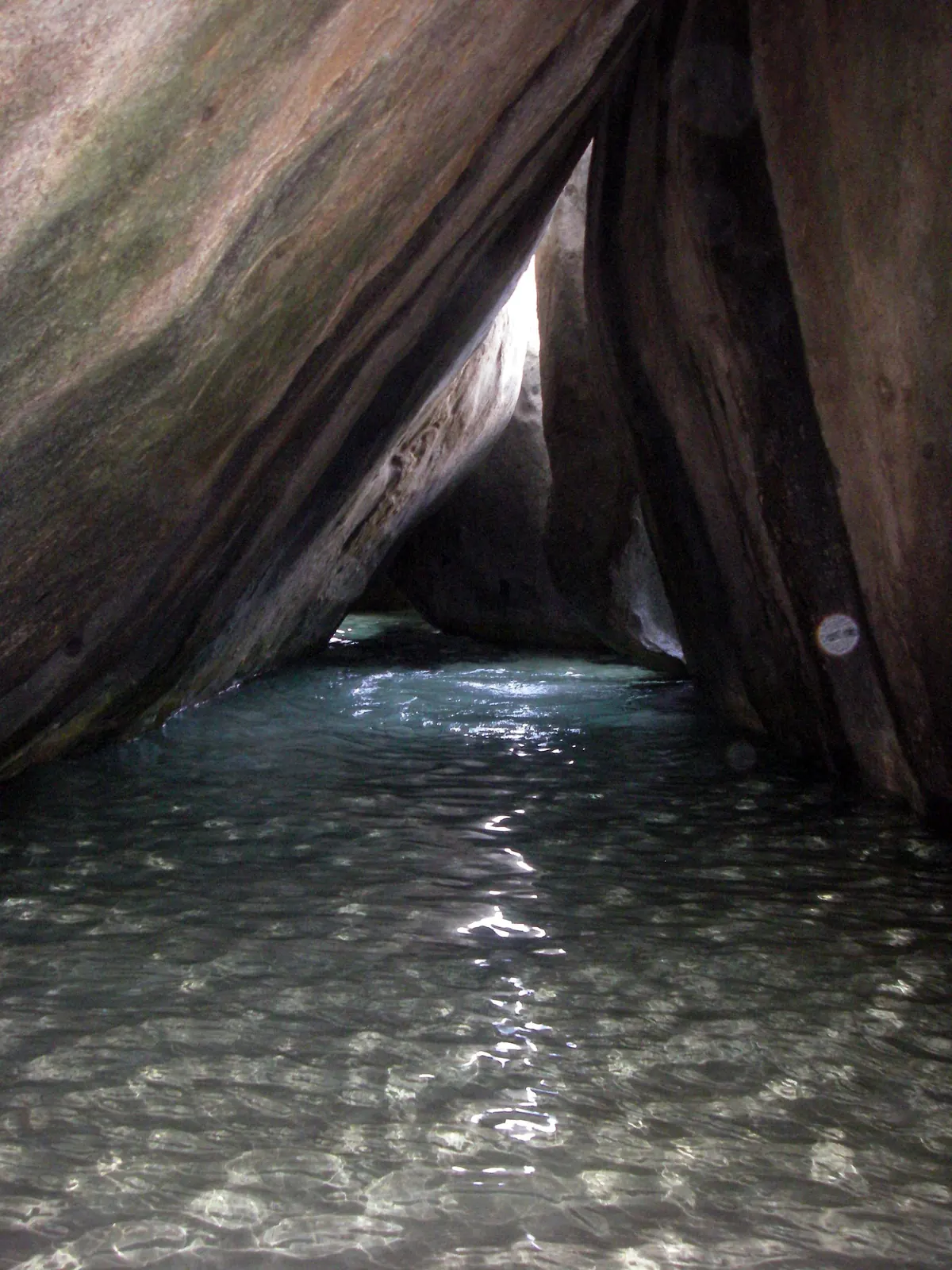
The Baths should be approached as a weather-dependent daytime visit. The National Parks Trust describes a boulder trail from The Baths to Devil’s Bay, and says the approach uses a dinghy dock line, mooring buoys and marked swim channels. It also warns that strong winter swells can stop use of the buoys and prevent sea access to the beach, while currents can make swimming inadvisable.5
For guests, that means packing a cover-up, water shoes if preferred and a little patience. The tender may be the sensible means of access, but it is not a promise of landing. The crew will explain the day’s safe approach, timings and return point. If the sea says no, the captain can protect the experience with a different bay, a longer on-board lunch or an alternative piece of Virgin Gorda.
After The Baths, North Sound is the useful counterweight. Allow the afternoon to breathe. This is a time for a late swim, a book in the shade, a massage appointment if arranged aboard, or simply a sunset that does not have to compete with a departure time. Two nights in this part of the route also give the captain a better chance to place a weather-sensitive visit when conditions are most favourable.
Make tender and park access part of the luxury, not an afterthought
A tender is central to a BVI charter, especially when a yacht is sensibly positioned off a beach, park or shoreside venue. It turns a shore plan into a series of small transitions: getting aboard comfortably, carrying what is needed, arriving dry where possible and knowing how the return works after dark. Ask about tender seating, shade, step height, mobility considerations and the way children will be supervised before settling the route.
Park access needs the same care. At The Baths, the Trust lists a marine-access mooring-permit requirement and daytime visitor arrangements.5 At protected marine sites, the captain will use the applicable procedures and brief guests on how to arrive without damaging the environment. Do not assume that a park name on an itinerary equals a landing, a buoy, a swim or a particular activity.
This is one reason crewed and bareboat planning are different. A bareboat charter asks the party to take on much more of the operating detail. A crewed yacht gives guests a captain-led judgement and a crew who can make a change feel seamless. The bareboat versus crewed charter guide explains that distinction in more detail.
Night five: choose an unhurried anchorage or a conditional Anegada
Anegada can be a memorable addition, but it should be the week’s deliberate choice rather than an obligation. BVI Tourism describes it as a nearly level coral-and-limestone island, unlike the volcanic character of much of the archipelago, with reefs around it.6 That distinct setting is precisely why the captain should assess it against the named yacht, draft, range, weather, sea state, daylight, guest comfort and the return plan.
If those factors align, night five may be Anegada. It needs enough space around it, rather than being squeezed between shore reservations. A crewed yacht can build the day around conditions, arrange tender use where appropriate and keep the next move from feeling hurried.
If they do not align, retaining Virgin Gorda or North Sound for another unhurried night is often the more luxurious answer. It may create time for a place missed earlier, a long water-toy afternoon or a truly idle lunch. The best seven-night charter does not judge success by the number of islands reached.
Do not commit to non-refundable shoreside plans for Anegada before the captain confirms the practical window. The same is true of any weather-sensitive experience. For a useful explanation of why the route can change, read what happens in bad weather on a yacht charter.
Night six: Jost Van Dyke at the right pace
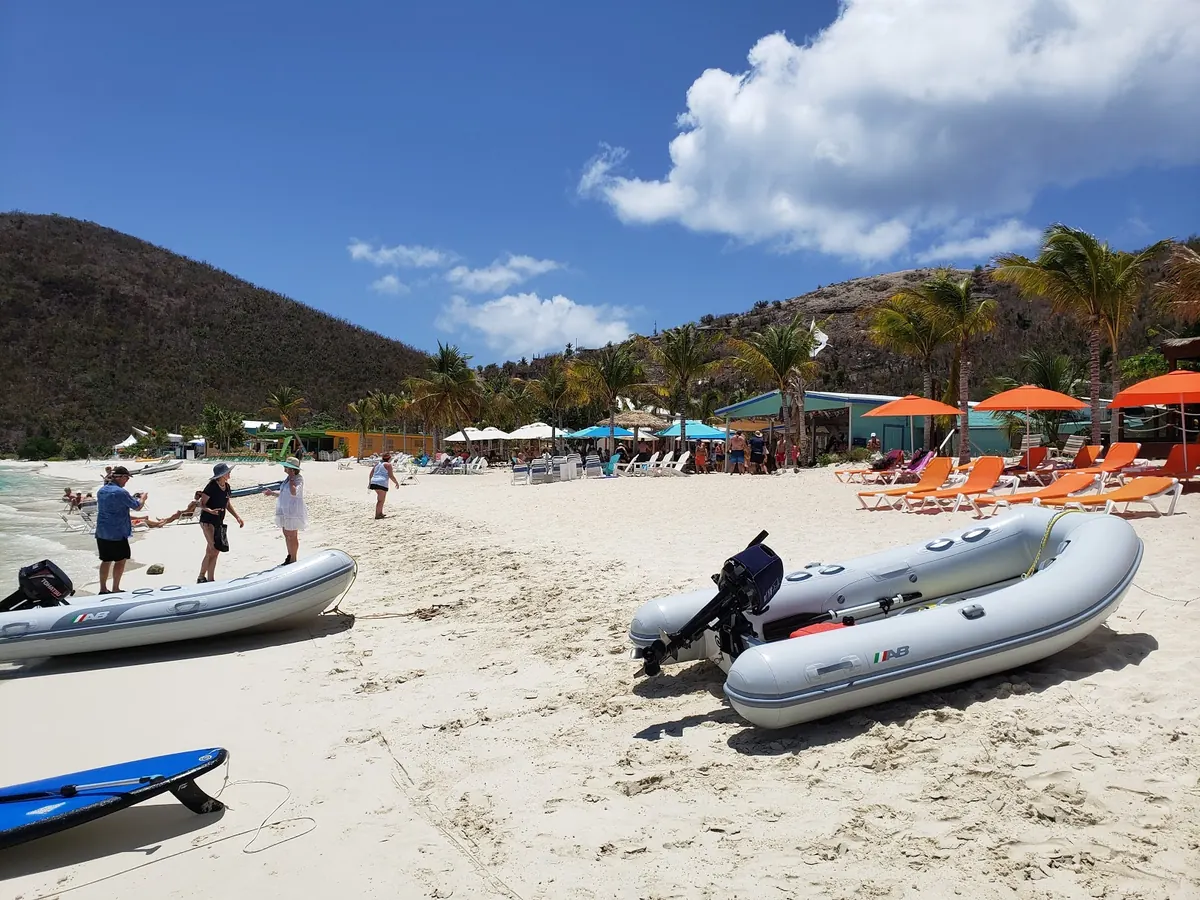
Jost Van Dyke is a lively late-week contrast to the quieter northern days. The island is small but has a strong dining and beach culture, as BVI Tourism notes, alongside its historic and natural interest.7 The captain can decide whether White Bay, Great Harbour or another appropriate position gives the group the best balance of comfort, tender access and the desired evening ashore.
White Bay is not an invitation to promise a particular beach chair, landing point or waterside table. Wind, swell, tender conditions and shore activity all affect how the stop works. Great Harbour may suit a different kind of evening. Share the desired feel with the crew, whether that is a quiet meal on board, a beach visit, dinner ashore or simply music and a nightcap back on deck, then let them recommend the sensible sequence.
Night seven: return toward Tortola with the departure in mind
The seventh day is for the return, not for pretending that departure does not exist. The yacht should move towards the agreed Tortola redelivery area with time for a final swim or breakfast where conditions permit, then a calm final afternoon. The last night should be selected for the actual handover plan, forecast and guest comfort, not simply because it looks attractive on a map.
Keeping this buffer protects flight day and avoids turning a seven-night charter into a seven-night gamble. It also lets the captain absorb a previous weather change without making the whole route feel compressed. If an earlier stop had to be missed, the captain may be able to revisit a nearby option. If the week has already been full, the last evening can be deliberately simple.
Confirm luggage arrangements, departure transfer and the requested disembarkation time before the final evening. The eighth day is departure day. It is not a hidden extra day for a distant beach, another island or a formalities-heavy detour.
Clearance, local permissions and comfort come before the wish list
A Tortola-centred BVI loop can remain within BVI waters, which keeps the route cleaner. If a proposed plan leaves the Territory, BVI Tourism says the yacht and crew must follow the correct departure and entry processes for the next territory and clear back into the BVI on return.1 That work takes time and depends on documents, ports and the actual route. It should be treated as an operational choice, not an embellishment.
A concise preference list is more useful than a dense schedule. Identify the two or three moments that matter most, then list what is flexible. Tell the crew about food preferences, sleeping patterns, celebrations, swimming confidence and any mobility needs before embarkation. To understand how the on-board rhythm and expenses are normally framed, see what is included in a luxury yacht charter.
Turn the framework into a live crewed yacht brief
Use this route as the starting conversation: Tortola embarkation in the afternoon; a southern-islands opening around Norman and Peter; two nights across Virgin Gorda and North Sound; Anegada only if the named yacht and conditions make it sensible; Jost Van Dyke; then a calm return for a Tortola-area final night and eighth-day departure.
When searching, give equal weight to the yacht’s actual embarkation position, layout, tender, draft, range and the captain’s operating advice. The right yacht can make the seven nights feel expansive. The wrong assumptions can make even a compact cruising ground feel busy.
Explore current options through Caribbean yacht search, then use the Caribbean charter page to send a route brief with your dates, guest count and flexible priorities.
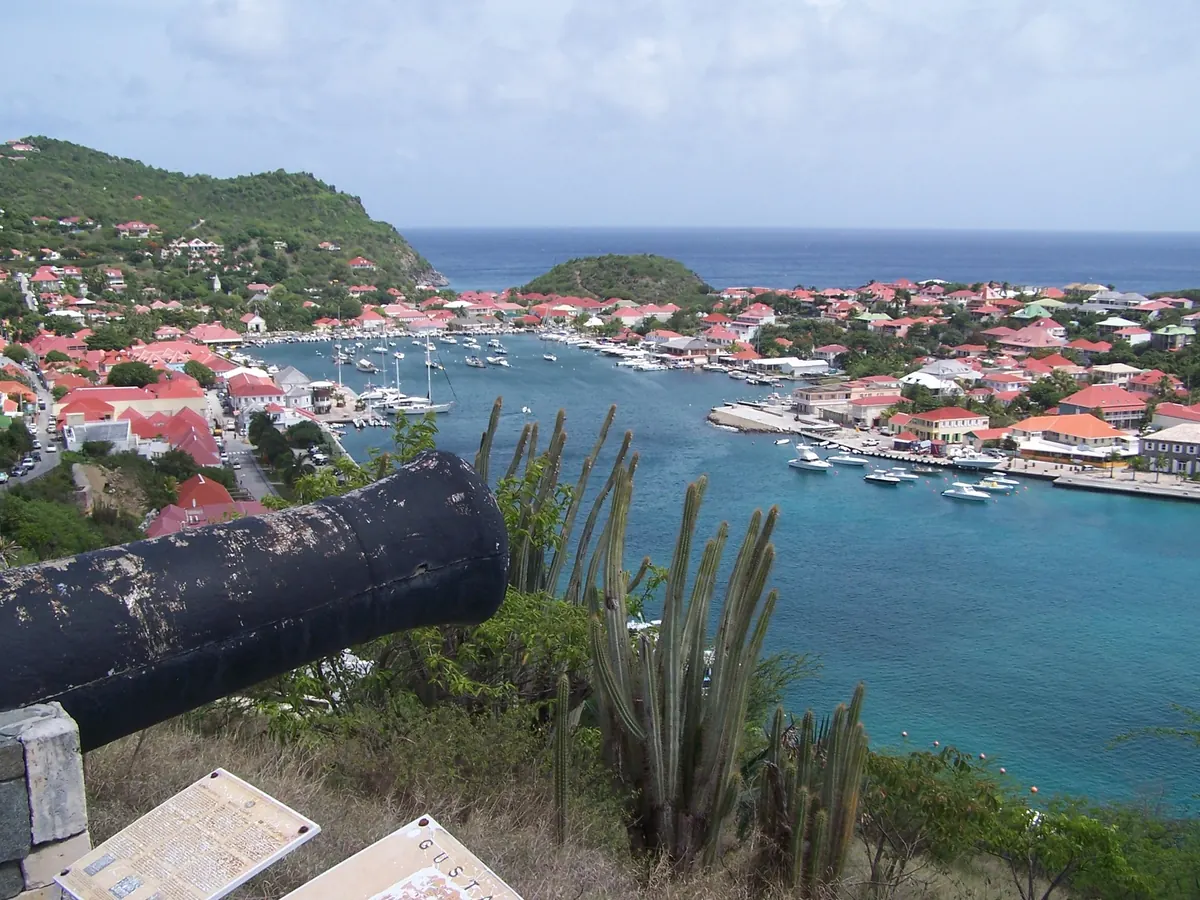
Cover photograph: Mattes. Source photograph, CC BY 2.0 Germany (licence). Resized and re-encoded.
References
- British Virgin Islands Tourist Board, Arriving by Sea
- Government of the Virgin Islands, Customs and Immigration Portal
- National Parks Trust of the Virgin Islands, Dead Chest National Park and RMS Rhone Marine Park
- British Virgin Islands Tourist Board, Virgin Gorda
- National Parks Trust of the Virgin Islands, The Baths National Park
- British Virgin Islands Tourist Board, Anegada
- British Virgin Islands Tourist Board, Jost Van Dyke
Planning a charter?
Tell us your dates and destination. Our charter team will review your brief and prepare a suitable shortlist.