St Barts Christmas & New Year Yacht Charter: Planning for 2026/27
Plan the festive dates that matter, allow time for island connections and distinguish a Gustavia evening from a confirmed berth. A practical guide to Christmas and New Year aboard.
Christmas and New Year need different briefs
A Saint Barth festive charter works best when it is planned around one clear idea: what should the group remember most? Christmas often suits a slower, family-centred rhythm, with long lunches, a properly dressed table on board and a few chosen hours ashore. New Year can place more value on being close to Gustavia, having a polished evening plan and protecting the following morning from an overambitious schedule.
That is why a single “festive week” brief can be too vague. A Christmas-led group may want quiet daylight stops. A later arrival may put more weight on shore reservations and a practical return from town. The preference changes the order of decisions.
For 2026/27, decide whether the non-negotiable date is 25 December, 31 December, or time together across both. Then give the captain and charter team permission to protect that date rather than forcing a fixed route around it. This is a planning guide, not travel, immigration or legal advice. Your confirmed yacht, captain, ports and suppliers should always have the final operational view.
Set dates before choosing the route
Start with a date window, not just a start date. For a seven-night charter, think in three parts: an arrival buffer before boarding, the charter period itself, and a departure buffer after disembarkation. The buffers are particularly valuable when the itinerary includes an onward connection and a timed tender transfer.
If Christmas Day is the centre of the trip, board early enough to settle in. Keep it simple: breakfast, a swim or suitable tender outing, a special meal and unhurried time together. If New Year is the priority, let the preceding day absorb provisioning, weather or a shore-booking adjustment.
Avoid treating a festive date as permission to pack in more. Name one harbour evening, one quiet coastal day and one recovery morning. Identify what can move, so the captain can make sound decisions on route, comfort and safety.
For wider choices on season, route shape and cruising ground, see the Caribbean yacht charter 2026/27 season, costs and routes guide. This page stays deliberately focused on the festive operating plan.
Plan your gateway and arrival buffer
Saint Barthélemy has no direct long-haul flights. The official tourism authority lists connections via Saint Martin, Guadeloupe, Antigua or Puerto Rico, with an onward regional flight or ferry; it also lists ferry links from Saint Martin and Sint Maarten to Gustavia.1 That makes the last connection part of the charter plan, not an afterthought.
Choose the gateway before finalising boarding arrangements. Share flights, bags, children’s ages, mobility needs and a reachable travel-day contact. These details inform the meeting point and whether a same-day tender transfer suits the whole group.
A practical approach is to arrive at the gateway the day before boarding, especially when a festive date matters. If travelling on the day, allow slack for the regional connection, baggage and onward transfer. Verify entry requirements for your own route and nationality directly with the relevant official bodies before travel.1
Give the yacht a calm first and last day
The opening hours set the tone. A late flight, luggage, onboarding, safety orientation and tender can consume more of the afternoon than a glossy itinerary suggests. Make the first evening a welcome, not a deadline.
The same restraint matters at the end. Keep the final morning free for packing, account questions and the agreed transfer. Do not put the longest passage or a crucial meal ashore immediately before a fixed flight.
This is not a loss of holiday time. It is how the core moments stay enjoyable when an airline schedule, sea state or port instruction changes. Météo-France provides Saint-Barthélemy forecasts, vigilance information and marine-weather resources. Check the live information close to travel rather than relying on a seasonal expectation formed months earlier.6
Decide what belongs on board and ashore
A festive yacht charter is most relaxed when the group agrees the balance before boarding. List the two or three shore experiences that genuinely matter, then build the onboard plan around the rest. Gustavia is the capital and centre of island life, with a harbour, restaurants, shops and streets made for strolling.7 It can be the right setting for a chosen dinner rather than a place the whole charter has to orbit.
For Christmas, let the yacht carry the day: a favourite breakfast, planned meal, easily packed gifts and free time. For New Year, keep an appealing onboard alternative if return timing or conditions make a late tender journey unattractive.
Book important restaurants and private shoreside arrangements well ahead, then reconfirm near the date. Give each venue party size, dietary requirements, children’s needs, mobility considerations and a realistic arrival window. Ask what happens if the group is delayed.
Do not make every meal ashore. A balance of one or two meaningful reservations, an easy lunch and a well-planned dining night on board gives the chef, crew and guests room to respond to the day as it unfolds. The Saint Barth yacht charter guide gives broader island context; the festive question is how much shore time is truly needed on the dates that matter.
Gustavia: berth, anchorage and tender are different plans
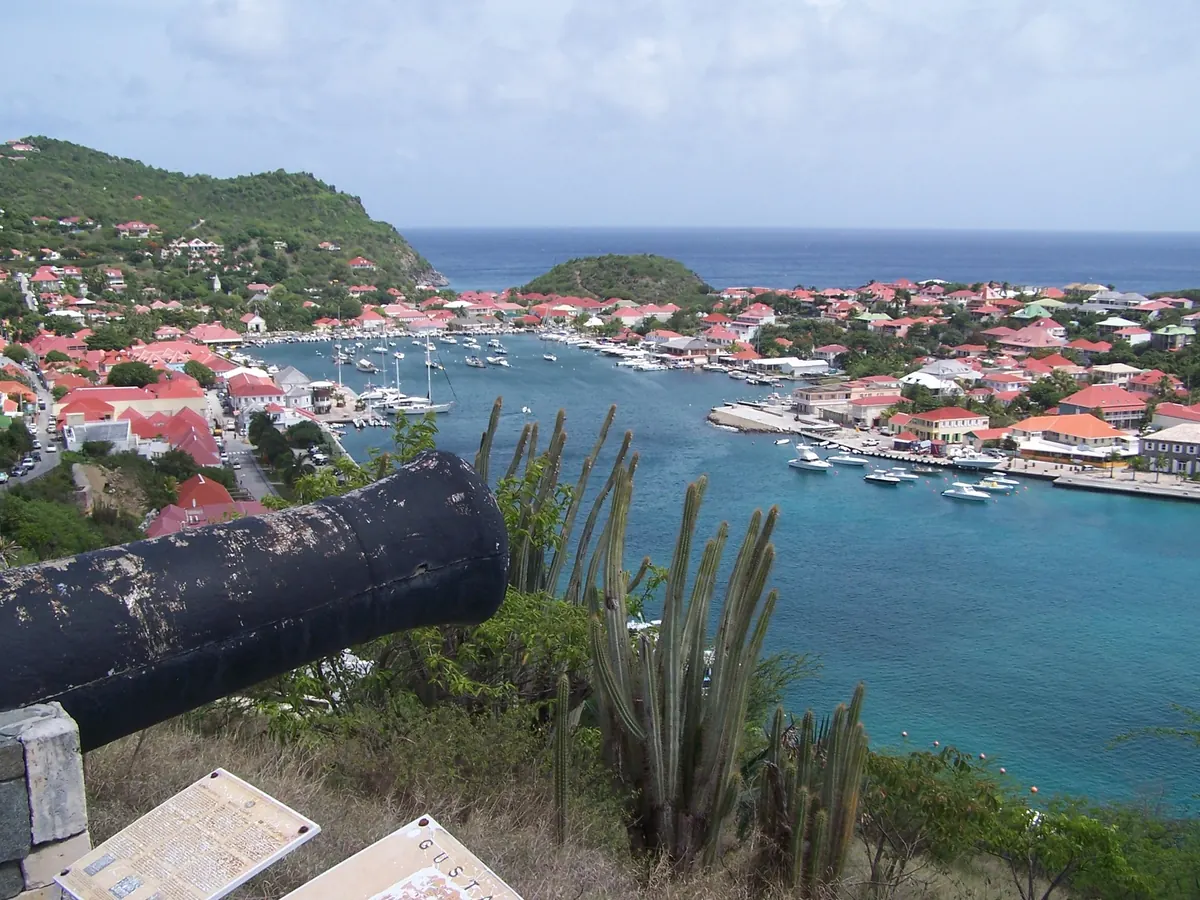
Gustavia’s port has a pleasure port and a commercial port, while the wider port area includes a marina and an anchoring or mooring-buoy area.2 5 A berth, a place at anchor and a tender-led visit are therefore not interchangeable descriptions of the same evening. Each has a different guest experience and a different operational question.
A berth can make the shore feel immediate, but it must be confirmed for the actual yacht and dates. A mooring or anchorage may still mean a tender journey, with timing, sea state, boarding ability and local instructions relevant. A flexible harbour call can produce the calmer week.
Do not promise guests a berth, a particular position or an exact tender timetable before it has been confirmed. The Port of Gustavia states that entry and exit formalities are compulsory for access to the pleasure port. They can be initiated online no more than 24 hours ahead, but the paperwork is only registered after it is printed and signed at the port office.3 These are crew and yacht-management tasks, yet they explain why a harbour arrival cannot be treated as a purely social stop.
For the group, the questions are simple. Can everyone safely use the tender after dark? Is a return time ashore essential? Would children, older guests or anyone with limited mobility enjoy the transfer? Is there a graceful onboard alternative? Ask early.
Keep coastal time flexible and environmentally sound
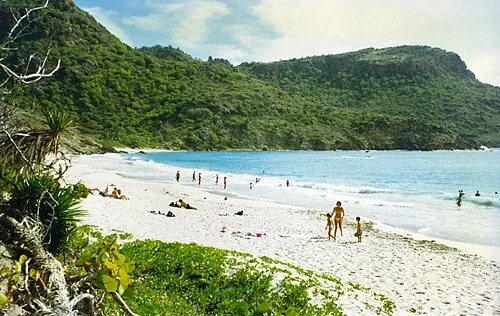
The most valuable festive luxury can be a quiet daytime window: swimming, reading, a tender ride or lunch on board without a reservation to chase. Treat a desired bay as a captain-led request, not a guaranteed overnight. Saint Barth’s Marine Park has five zones and regulates pleasure boating to protect coral reefs, seagrass and other fragile habitats.4
The detail is material. In the simple-protection areas of Colombier and Fourchue, vessels over 25 metres are not authorised. The authority also places size, weight, duration and insurance conditions on the use of ecological moorings and authorised anchoring areas, and prohibits a range of powered devices and towed sports there.4 The right response is not to rule out the experience. It is to ask the captain what is lawful and sensible for the yacht, guests and conditions on the day.
Anchoring is generally prohibited throughout the nature reserve except in parts of Fourchue and Colombier, and the agency points boaters to the DONIA seabed map to help avoid reefs and seagrass elsewhere around the island.5 Let the crew choose the appropriate location, tender use and watersports plan. Build a second, equally appealing daytime option into the brief so that nobody feels a change of plan is a compromise.
Read the quote as an operating plan
The charter fee is only one part of the festive budget. Read the proposal alongside the planned route, meals, harbour use, transfers and shoreside programme. Ask the broker to separate what is included, what is estimated and what will be charged at cost for the exact yacht and agreement.
Under the published MYBA Charter Agreement, the charter fee includes the vessel, crew wages and food, certain onboard stores, ship’s-linen laundry and vessel and crew insurance. Other expenses are paid at cost and may include fuel, guests’ food and drinks, berthing and harbour charges, local taxes, shore water and electricity, agents, transport, communications and requested special equipment.8 Actual agreements and special conditions control, so do not treat this published form as a quote for every charter.
Where an Advance Provisioning Allowance is used, the agreement provides for the captain to report spending at intervals and to present a detailed account with supporting receipts before disembarkation, with a deficit paid or overpayment returned.8 Confirm the allowance currency, payment timing, the preferred way to approve additional spend and how festive provisions or shoreside bookings will be handled.
Use the guide to what is included in a luxury yacht charter to frame that conversation, but ask for written answers against your specific proposal. This is the moment to raise premium wines, a special Christmas meal, restaurant deposits, children’s preferences, dietary needs, gifts delivered to the yacht and any special equipment.
A festive preparation checklist
Before placing a charter enquiry, agree the exact date range and the one date the group most wants to protect. Decide whether Christmas, New Year or the full interval is the focal point. Then set realistic arrival and departure buffers around the yacht dates.
Provide the group profile in one concise note: guest count, cabins, ages of children, mobility needs, luggage, dietary requirements, celebrations, preferred pace and the importance of shore evenings. State whether tender use after dark is acceptable for every guest. Include the gateway, flight numbers once booked and a travel-day contact.
Describe the desired rhythm rather than a fixed route. For example: one Gustavia dinner if operationally practical, one quiet coastal day, a Christmas meal on board, a flexible New Year plan, and a calm final morning. Ask which elements need port, captain, weather or supplier confirmation.
Request a transparent cost view. It should distinguish charter fee, applicable allowance, anticipated harbour or berth-related costs, fuel, food and drinks, transfers, restaurant deposits, local taxes and any requested extras. Clarify cancellation, weather, payment and supplier terms directly in the relevant agreement or booking confirmation.
Finally, hold the plan lightly. A premium festive charter is not measured by the number of fixed pins on a map. It is measured by the ease with which the group can eat well, get ashore when it makes sense, spend time together and let the captain make prudent decisions. When your dates and priorities are clear, search Caribbean charter options, then use the Caribbean charter form to turn the outline into a yacht-specific conversation.
Cover photograph: Kevin Gabbert / Kevin James. Source photograph, Public domain (licence). Resized and re-encoded.
References
- Saint Barth Tourism: Travel and entry information
- Port de Gustavia: Official port homepage
- Port de Gustavia: Pleasure-port entry and exit formalities
- Territorial Environment Agency: Regulatory zones in Saint Barthélemy Marine Park
- Territorial Environment Agency: On-the-water guidance
- Météo-France: Saint-Barthélemy forecast, vigilance and marine resources
- Saint Barth Tourism: Gustavia
- MYBA: Charter Agreement, clause 8 operating costs
Planning a charter?
Tell us your dates and destination. Our charter team will review your brief and prepare a suitable shortlist.